RAISING BRIGHTER CHILDREN
THE PROFESSOR ANT METHOD
Children don’t need us to do their thinking for them.
Professor ANT starts from a different idea: kids are capable of far more thinking than we usually ask of them. So instead of a simplified world where every question has one obvious answer, we give them something to figure out.
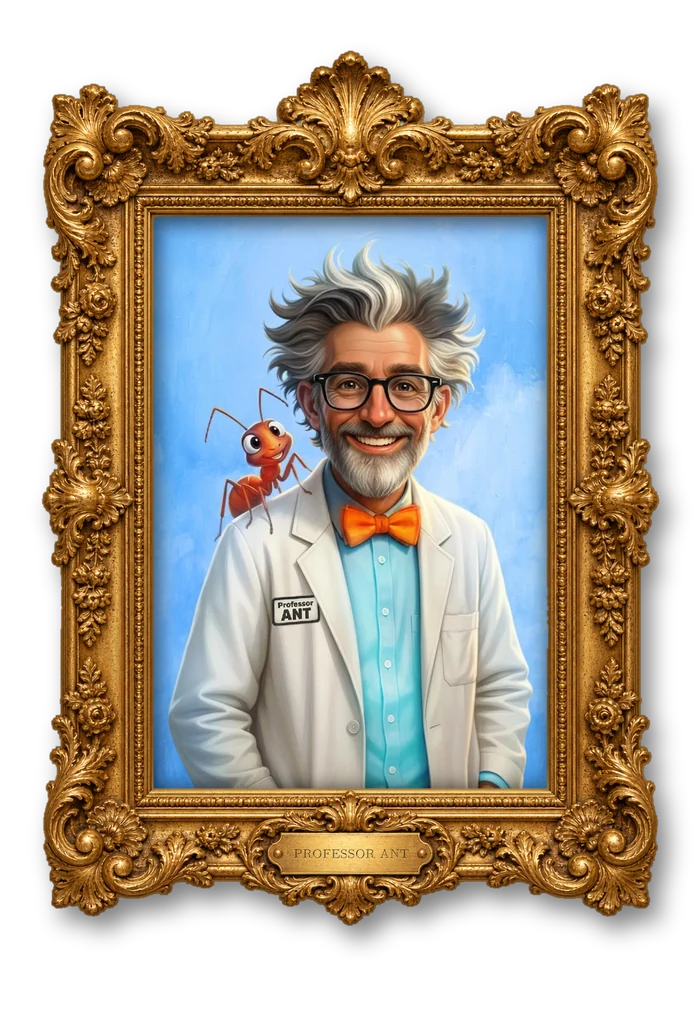
Meet Professor ANT
Your Child’s Critical Thinking Expert

Stop giving the answer.
When your child answers, don’t say “right” or “wrong.” Explore it. A sensible answer, an unusual one, even the silliest one on the page. What would happen? Would it help? Would someone get hurt? Do they want to keep that answer? You can say: “I like your choice. I’m going to pick that one too.” Let the solution belong to them.
Six small questions to promote thinking:
- Why?
- What would happen then?
- Would that really help?
- What else might happen?
- How would that help?
- Do you still like that choice?
A wrong answer is worth more than a right one.
A right answer ends the conversation. A wrong one starts it. Your child follows the idea, finds out why it doesn’t work, defends it, or discovers an answer nobody expected. Being wrong becomes safe enough to investigate.
Every book works in three moments
1. Huh?
A silly title, a picture that doesn’t fit, a ridiculous choice. Something ordinary becomes strange again.
2. Why?
You don’t give the answer. You ask a small question and let their thinking go somewhere.
3. Aha!
Your child works it out, or surprises you. Either way, they built it themselves.
Parent in control. Child in charge.
You control the environment and the choices. Your child controls their decisions. Offer three books, and let them pick which one to read. No lesson plan and no answer sheet needed. Present it as a game follow their interest, and stop before it feels like work.
Where should we begin?
Ages 1–5
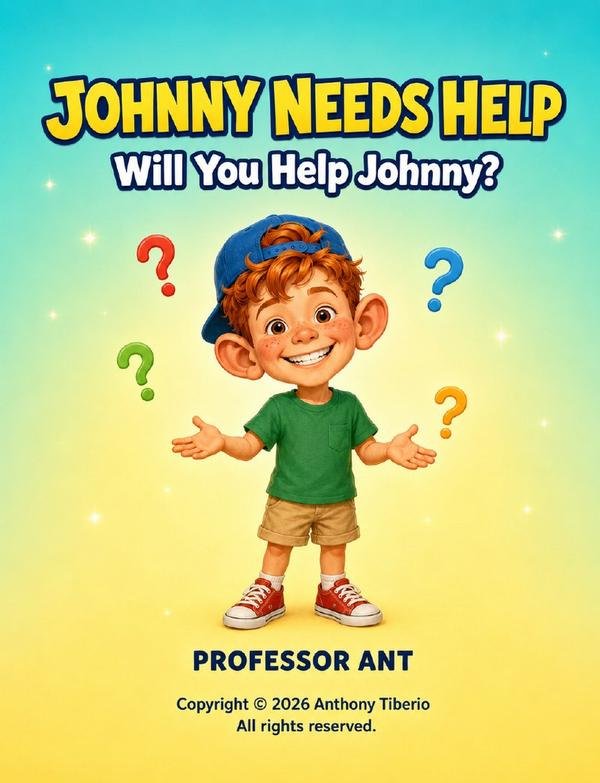
Johnny Needs Help!
Let your child choose for Johnny, then explore wherever that choice takes you.
Ages 4–8
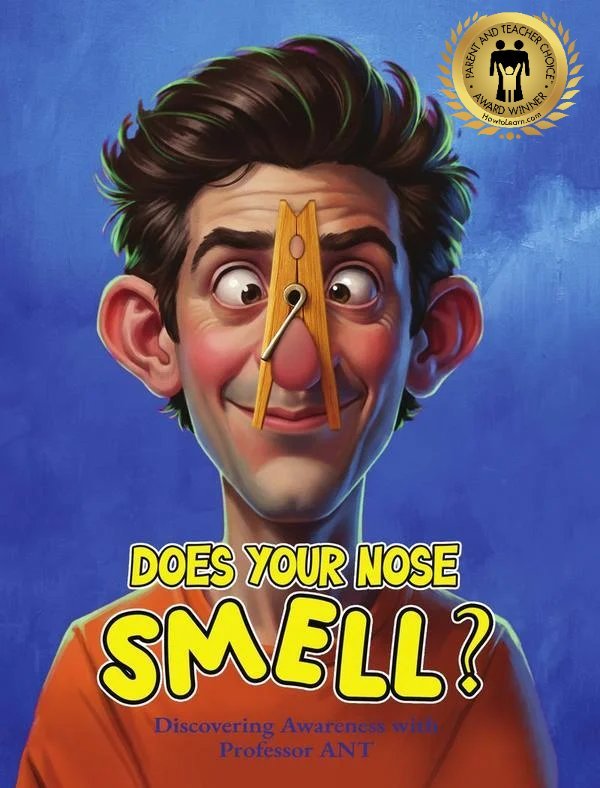
Does Your Nose Smell?
Take something your child thinks they already understand and make it interesting again.
Ages 8–12
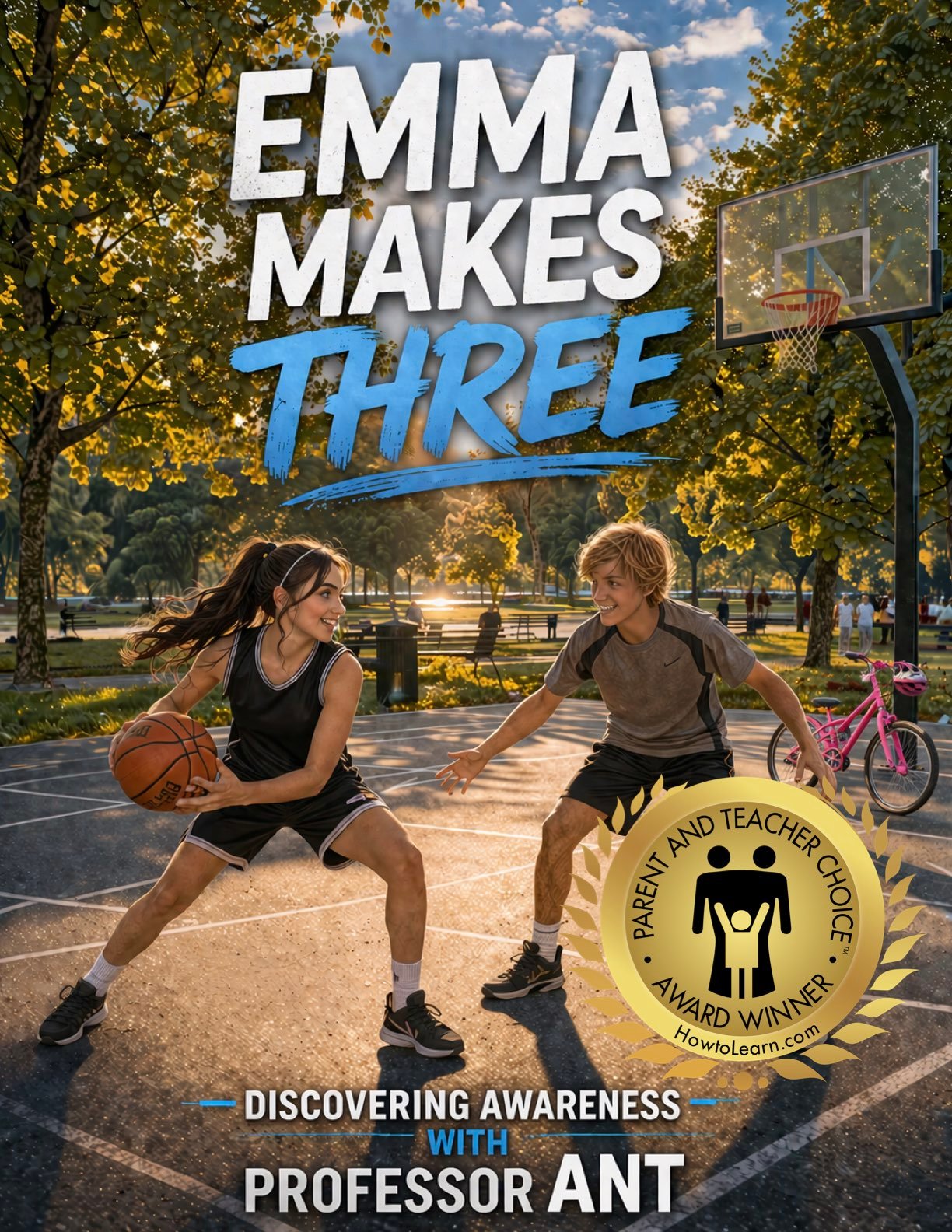
Emma Makes Three
Bigger situations and bigger consequences, with the same freedom to think.
The goal isn’t kids who know more answers. It’s kids who love to think.
Fun is the point. Education is the intentional side effect.
