Does Your Nose Smell? Discussion Guide
The one rule: don’t give the answer
This book doesn’t come with an answer sheet. Answers aren’t the important part. The process is. A child who figures something out remembers it, because they built it.
Before you read
Show the cover and ask: “Does your nose smell?” Don’t laugh first. Wait. Some children will say “yes,” some “no,” and someone will notice the joke. Every answer is a good start. Ask, “Why do you think so?”
While you read: stop and wait
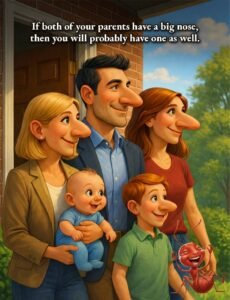
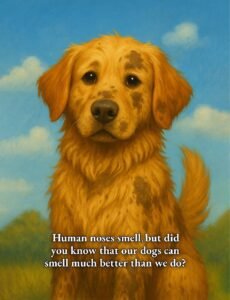
Where to pause:
Try it: three quick activities
Each one follows the same steps scientists use: guess, test, look at what happened, and decide. Check for allergies first. Teach children to “waft” (wave the smell toward their nose) instead of sniffing up close.
1. Mystery smell cups
Put one thing in each of 4–5 covered paper cups with a small hole in the lid: a piece of bar soap, pencil shavings, a crayon, a fresh leaf or flower, a dab of lotion on a cotton ball. Number the cups. No food needed.- Guess: Can you name each smell with your eyes closed?
- Test: Each child wafts and writes or draws a guess.
- Vote: Thumbs up or down for each smell. (Page 30: “You decide!”)
2. How far does a smell travel?
Stand at the front of the room and open a bottle of scented lotion or hand sanitizer. Children raise a hand the moment they smell it.- Guess first: Who will smell it first? Who will smell it last?
- Try again with a small fan blowing one way, just like the pie on page 19.

3. The hold-your-nose smell test
Each child holds their nose closed with their fingers and wafts one of the smell cups. Then they let go and waft again.- Guess: Will you still smell it with your nose closed?
- Then flip the book over and start Does Your Tongue Taste Good?
The big idea behind the book
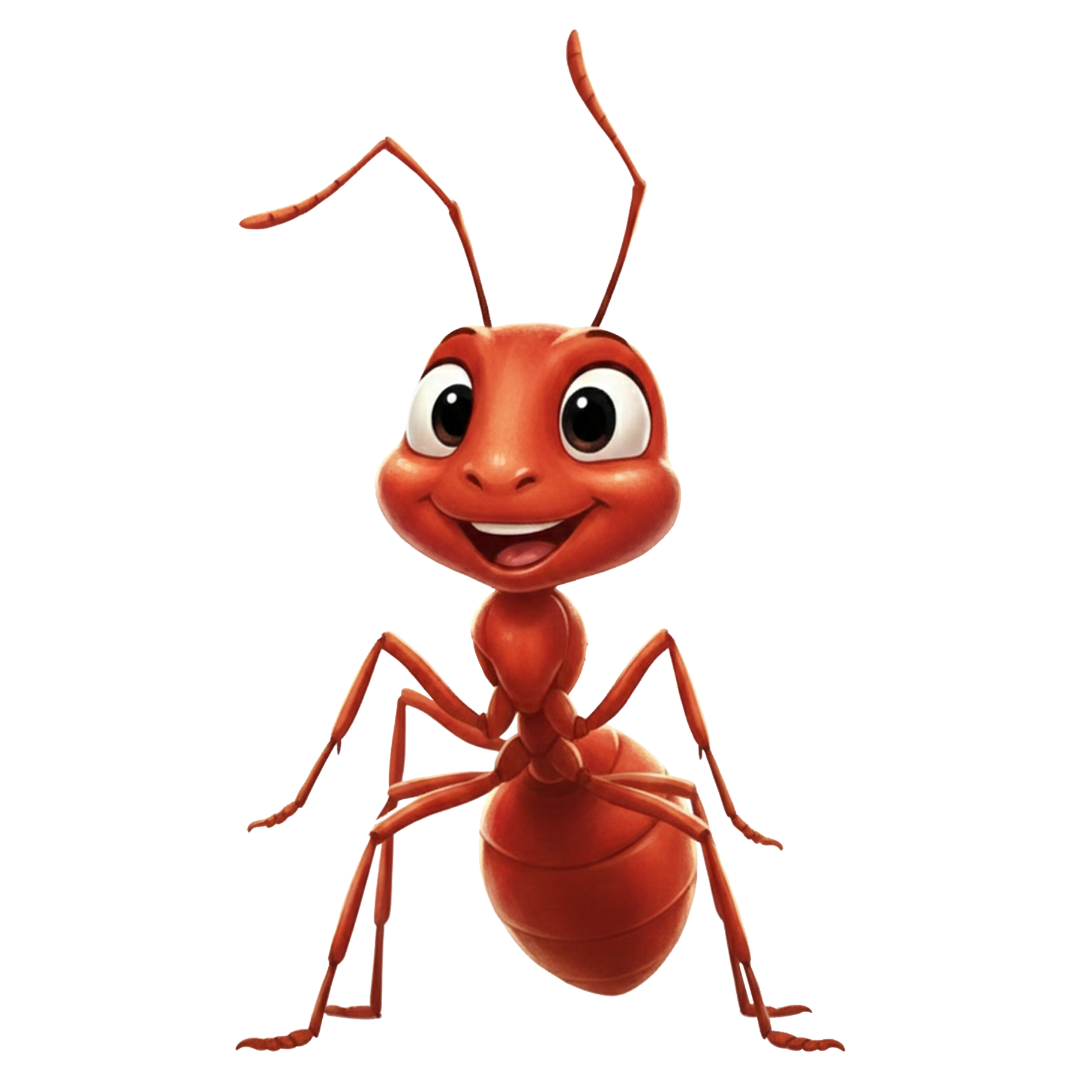
Every Professor ANT book builds the same thinking path, the beginning of the scientific method:
| Senses | “I smell cookies.” All knowing starts with what we notice. |
| Experience | “When I smell cookies baking, I get hungry and happy.” |
| Understanding | “Odor particles float to my nose, and my brain figures out the smell.” |
| Reality | “I held my nose, and I couldn’t smell it. I tried again, and it happened again.” What stays true when you test it again is real. |
Words to play with
odor · particle · sense · brain · pleasant · gene pool
Don’t define them first. Ask, “What do you think this word means, from the page?”
Take it home
Tonight, ask someone at home: “Does your nose smell?” Don’t explain the joke. Just listen to their answer and ask another question. Tomorrow, share what they said.
