When kids are handed the answer, they explore less and discover less
Showing a child “how it works” can quietly stop them from finding out more on their own.
What they did
Researchers at MIT gave preschoolers a new toy with four hidden things it could do. For some children, an adult showed them one thing the toy did, like a teacher. Other children got the same toy without being taught.
What they found
Children who were taught one function played with the toy for less time and discovered fewer of its other hidden functions. Children who weren’t taught explored more and found more.
What it means for your child
That’s why Professor ANT never hands over the answer. He asks a silly question, adds clues, and lets your child discover it. Then you let your child teach you.
How Professor ANT books use this
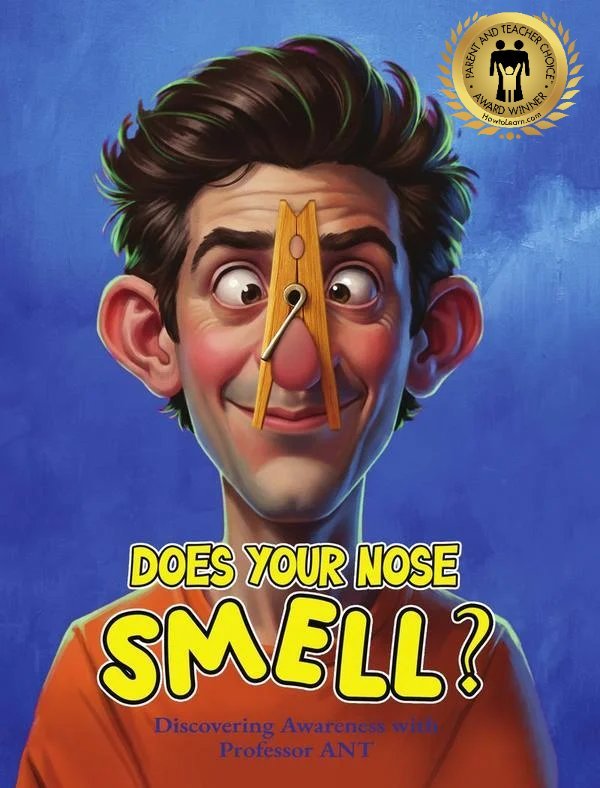
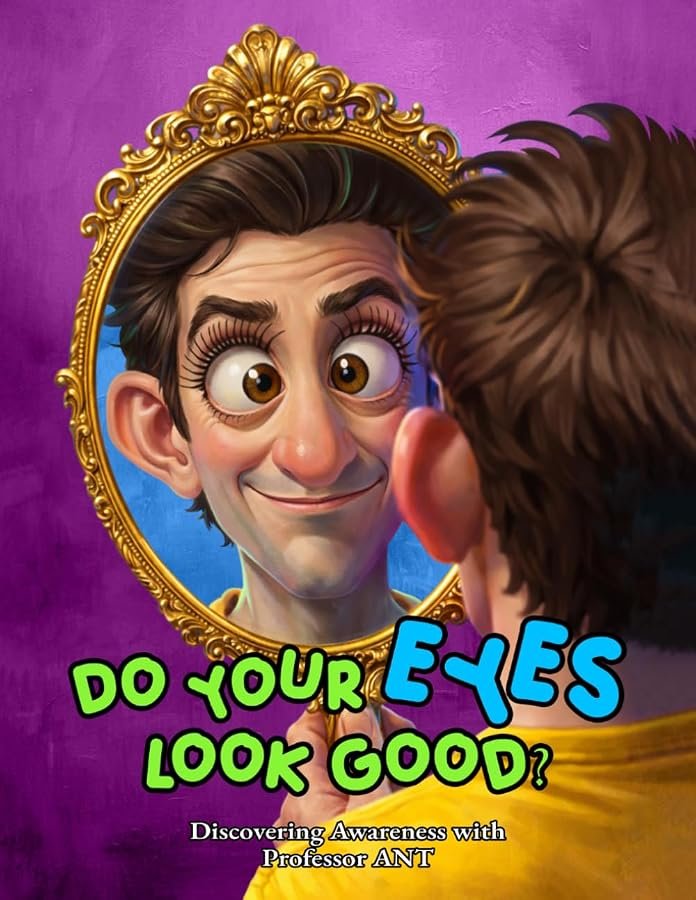
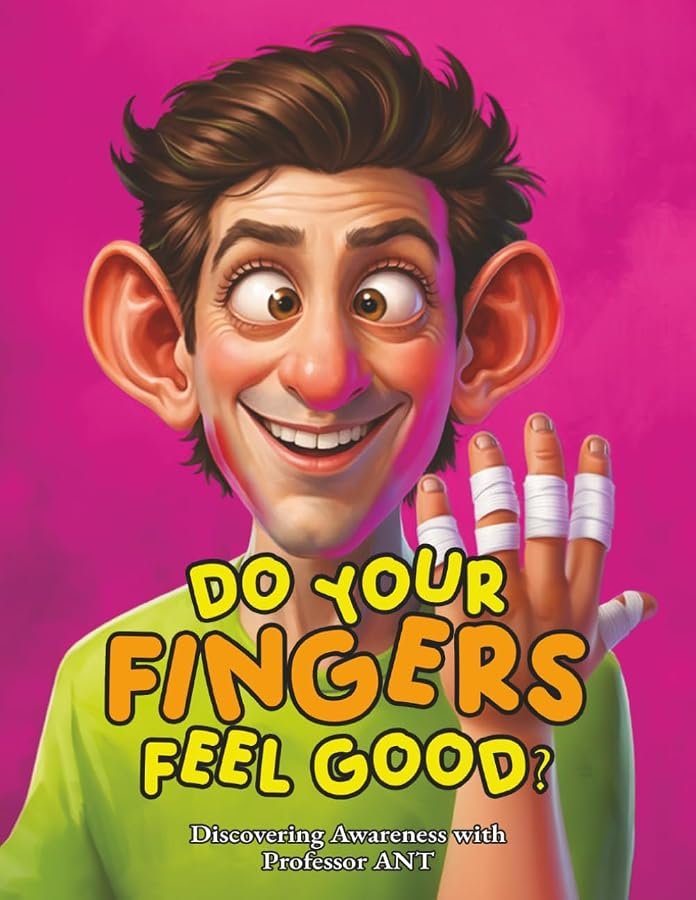
Does Your Nose Smell? never hands over the answer. It asks a silly question, lets your child think, then adds clues on later pages, like how dogs smell so much better than we do, so your child reaches their own conclusion. The rest of the Senses Series works the same way. Professor ANT asks; your child discovers.
Related: Kids invited to be helpers help more →
Source: Bonawitz, E., Shafto, P., Gweon, H., Goodman, N. D., Spelke, E., & Schulz, L. (2011). The double-edged sword of pedagogy: Instruction limits spontaneous exploration and discovery. Cognition, 120(3), 322–330. Original article
Summary written by Discovering Awareness. The study did not test Professor ANT books; it supports the method behind them.
